Healthy Sautéed Vegetables Quick Flavorful Side
Healthy Sautéed Vegetables – Quick, Flavorful & Nutritious Side dishes are the unsung heroes of our kitchens. They’re the cbeef hameleon of the culinary world, capable of complementing anything from a hearty steak to a light piece of fish, or even standing proudly on their own as a vibrant vegetarian meal. What is it about perfectly sautéed vegetables that makes them so universally adored? It’s the magical transformation that happens under the heat – the crisp-tender texture, the intensified natural sweetness, and the way simple ingredients can burst with so much incredible flavor. This isn’t just about throwing some veggies in a pan; it’s about understanding how to coax out their absolute best. We’ll explore how to achieve that perfect balance, ensuring your Healthy Sautéed Vegetables – Quick, Flavorful & Nutritious Side dishes are never bland or boring, but instead a dazzling explosion of taste and goodness. Get ready to elevate your weeknight meals with this incredibly versatile and satisfying recipe!
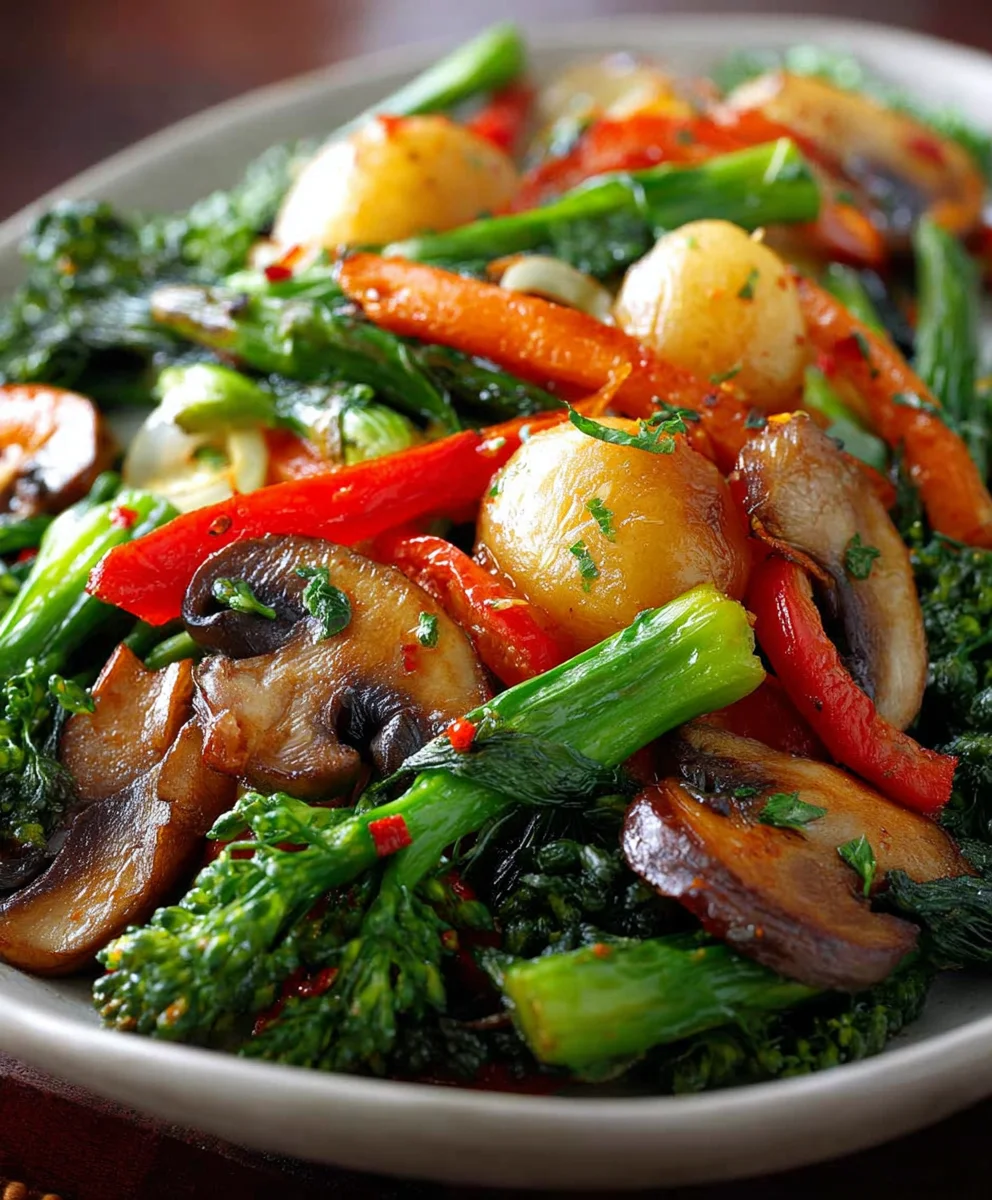
Ingredients:
- 2 tablespoons olive oil (you can also use avocado oil or butter for variety)
- 2 cloves garlic, minced (or more if you’re a garlic lover!)
- 1 small onion, thinly sliced (a yellow or red onion works wonderfully)
- 1 bell pepper, sliced (any color will do – red, yellow, or orange add great sweetness)
- 1 zucchini, sliced into half-moons (about ¼ inch thick is perfect)
- 1 cup broccoli florets (cut them into bite-sized pieces)
- 1 medium carrot, julienned or sliced thin (julienning creates elegant matchsticks, but thin rounds are fine too)
- ½ cup snap peas (trimmed if necessary)
- ½ cup mushrooms, sliced (cremini or button mushrooms are readily available and tasty)
- Salt and black pepper, to taste (the foundation of flavor!)
- 1 teaspoon lemon juice (optional, for a bright, zesty finish)
- 1 teaspoon balsamic vinegar or soy sauce (optional, for a deeper, umami note)
- Optional toppings: toasted nuts (like slivered almonds or chopped walnuts), seeds (sunflower or pumpkin seeds), fresh herbs (parsley, chives, or cilantro), grated Parmesan cheese (adds a salty, cheesy kick)
Preparing Your Vegetables for the Sauté
Washing and Chopping
The first step to perfectly sautéed vegetables is proper preparation. Give all your produce a good wash under cool running water. For the onion, slice it thinly into half-moons. This allows it to soften beautifully without becoming overpowering. Mince your garlic cloves finely; small pieces ensure their flavor distributes evenly. Slice your bell pepper into strips, removing the seeds and membrane first. For the zucchini, aim for attractive half-moon shapes, about a quarter-inch thick. If your broccoli florets are on the larger side, break them down into more manageable, bite-sized pieces. For the carrot, you have a couple of great options: either julienne it into thin matchsticks for a more refined presentation, or simply slice it into thin rounds. Trim any tough ends from your snap peas. Lastly, slice your mushrooms; consistency in size helps them cook evenly. Having all your vegetables prepped and ready before you start cooking is key to a smooth sautéing process. This is often called “mise en place,” which is French for “everything in its place,” and it truly makes cooking so much more enjoyable and less stressful.
The Sautéing Process
Step 1: Building the Flavor Base
Place a large skillet or wok over medium-high heat. Add your olive oil (or your chosen alternative). Once the oil is shimmering and hot, but not smoking, add your thinly sliced onion. Stir the onions frequently, allowing them to soften and become translucent, which should take about 3-4 minutes. This process is called sweating the onions, and it brings out their natural sweetness. Don’t rush this step, as it lays the groundwork for the entire dish’s flavor profile.
Step 2: Introducing Aromatics and Harder Vegetables
Once the onions are softened, add the minced garlic to the skillet. Stir constantly for about 30 seconds until fragrant. Be careful not to burn the garlic, as this can make it bitter. Immediately add the sliced bell pepper, julienned or sliced carrot, and the broccoli florets to the pan. These vegetables take a little longer to cook than others, so giving them a head start ensures they become tender-crisp, not mushy. Continue to stir-fry for about 4-5 minutes, allowing these ingredients to begin extract to soften and absorb the flavors from the oil and aromatics.
Step 3: Adding Softer Vegetables and Seasoning
Now, add the zucchini slices and the snap peas to the skillet. Stir everything together well to ensure even cooking. Continue to sauté for another 3-4 minutes. At this stage, you’ll also want to generously season your vegetables with salt and freshly ground black pepper. Don’t be shy with the seasoning; it truly brings out the natural flavors of each vegetable. Taste a piece of broccoli or carrot to check for your desired level of tenderness – they should be cooked through but still have a slight bite.
Step 4: Incorporating Mushrooms and Finishing Touches
Add the sliced mushrooms to the pan. Mushrooms release a lot of moisture as they cook, so give them a few minutes to release their liquid andgin extracten begin to brown slightly. Sauté for an additional 2-3 minutes, stirring occasionally. This is the perfect time to add any optional flavor enhancers. If you’re using lemon juice, drizzle it over the vegetables for a bright, refreshing note. If you prefer a deeper, more savory flavor, add the balsamic vinegar or soy sauce now. Stir everything to combine and let it cook for another minute.
Step 5: Final Check and Serving Suggestions
Give everything a final stir and taste to adjust seasoning if needed. The vegetables should be vibrant, tender-crisp, and beautifully coated in the fragrant oil and seasonings. Remove the skillet from the heat immediately to prevent overcooking. Serve your healthy sautéed vegetables hot as a delicious and nutritious side dish. They pair wonderfully with grilled chicken, fish, tofu, or even as a topping for a grain bowl. Don’t forget to sprinkle on your favorite optional toppings for added texture and flavor. Toasted nuts provide a delightful crunch, seeds offer a nutty bite, fresh herbs lend a burst of freshness, and grated Parmesan cheese adds a salty, savory finish. The possibilities for customization are endless!
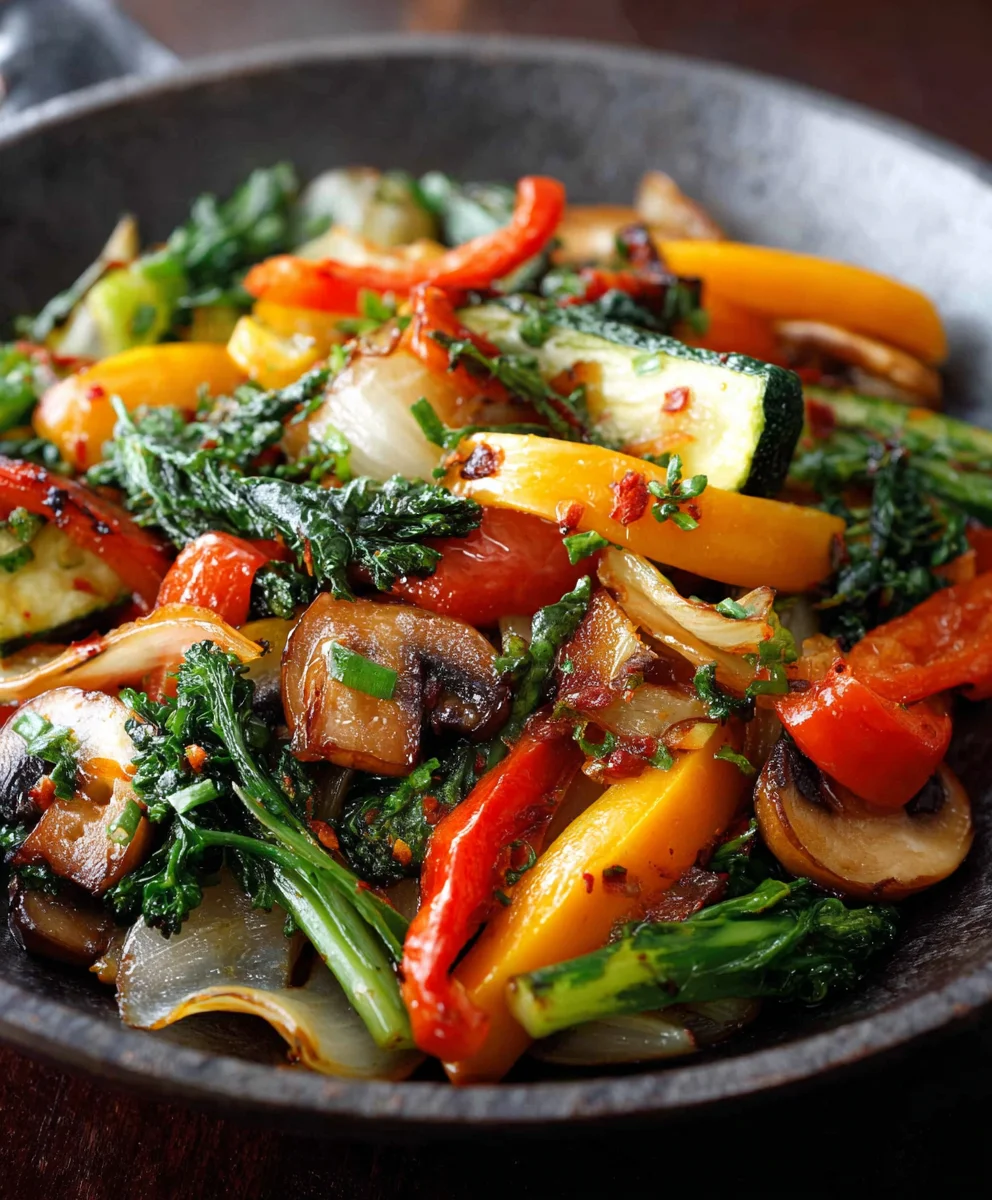
Conclusion:
Congratulations on mastering the art of creating the Healthy Sautéed Vegetables – Quick, Flavorful & Nutritious Side! You’ve unlocked a versatile and incredibly rewarding dish that’s as good for you as it is delicious. Remember, the beauty of this recipe lies in its adaptability. By focusing on fresh, seasonal produce and a few key flavor enhancers, you can transform simple vegetables into a culinary masterpiece every time. Don’t be afraid to experiment with different herbs, spices, and even a splash of your favorite vinegar or citrus juice to find your perfect combination. This dish is more than just a side; it’s a foundation for countless healthy and vibrant meals. So, plate it up proudly, and enjoy the goodness you’ve created!
Frequently Asked Questions:
What are the best vegetables to use for Healthy Sautéed Vegetables?
The beauty of this recipe is its flexibility! Almost any vegetable can be sautéed. Excellent choices include broccoli, cauliflower, bell peppers (any color), zucchini, yellow squash, onions, mushrooms, asparagus, green beans, and snap peas. For a truly diverse flavor and texture profile, consider combining a mix of cruciferous vegetables, leafy greens (like spinach or knon-alcoholic ale added towards the end), and root vegetables that cook quickly. Aim for a variety of colors for maximum nutrient intake and visual appeal.
Can I make this recipe ahead of time?
While Healthy Sautéed Vegetables – Quick, Flavorful & Nutritious Side is best enjoyed fresh for optimal texture and flavor, it can be made a day in advance. Store the sautéed vegetables in an airtight container in the refrigerator. To reheat, gently warm them in a skillet over medium-low heat, adding a tiny splash of water or broth if they seem dry. They might lose a little of their crispness, but will still be delicious. For best results, however, I highly recommend sautéing them just before serving.
Healthy Sautéed Vegetables: Quick & Flavorful Side
A quick and flavorful recipe for sautéed vegetables, perfect as a healthy side dish. Customizable with various vegetables and finishing touches.
Ingredients
-
2 tablespoons olive oil
-
2 cloves garlic, minced
-
1 small onion, thinly sliced
-
1 bell pepper, sliced
-
1 zucchini, sliced into half-moons
-
1 cup broccoli florets
-
1 medium carrot, julienned or sliced thin
-
½ cup snap peas
-
½ cup mushrooms, sliced
-
Salt and black pepper, to taste
-
1 teaspoon lemon juice (optional)
-
1 teaspoon balsamic vinegar or soy sauce (optional)
-
Optional toppings: toasted nuts, seeds, fresh herbs, grated Parmesan cheese
Instructions
-
Step 1
Prepare all vegetables by washing and chopping them according to the ingredient list. Having everything prepped beforehand (mise en place) is crucial for a smooth sauté. -
Step 2
Heat olive oil in a large skillet or wok over medium-high heat. Add thinly sliced onion and sauté until softened and translucent (about 3-4 minutes). -
Step 3
Add minced garlic and stir for 30 seconds until fragrant. Then, add bell pepper, carrot, and broccoli florets. Stir-fry for 4-5 minutes until they begin to soften. -
Step 4
Add zucchini and snap peas to the skillet. Sauté for another 3-4 minutes. Season generously with salt and black pepper. Check for desired tenderness. -
Step 5
Add sliced mushrooms and sauté for an additional 2-3 minutes until they release moisture and begin to brown. Stir in optional lemon juice and/or balsamic vinegar/soy sauce. -
Step 6
Stir everything to combine, cook for another minute, then remove from heat. Taste and adjust seasoning if needed. Serve hot with optional toppings.
Important Information
Nutrition Facts (Per Serving)
It is important to consider this information as approximate and not to use it as definitive health advice.
Allergy Information
Please check ingredients for potential allergens and consult a health professional if in doubt.