Hawaiian Spam Musubi Recipe- Easy & Delicious Snack
Hawaiian Spam Musubi is more than just a snack; it’s a culinary icon that embodies the vibrant spirit and unique flavors of the islands. If you’ve ever found yourself craving a taste of paradise, chances are you’ve dreamt of this delightful combination. What is it about this humble pairing of fried Spam, seasoned rice, and nori that captures hearts and taste buds so effectively? It’s the perfect balance of savory, salty, and slightly sweet, all wrapped up in a convenient, portable package. We love Hawaiian Spam Musubi because it’s incredibly satisfying, surprisingly simple to make, and evokes a sense of casual island living, whether you’re picnicking on a beach or just need a quick, flavorful bite. This iconic treat has a special place in the hearts of many, and I’m thrilled to share my take on how to create this beloved Hawaiian Spam Musubi at home.
Hawaiian Spam Musubi
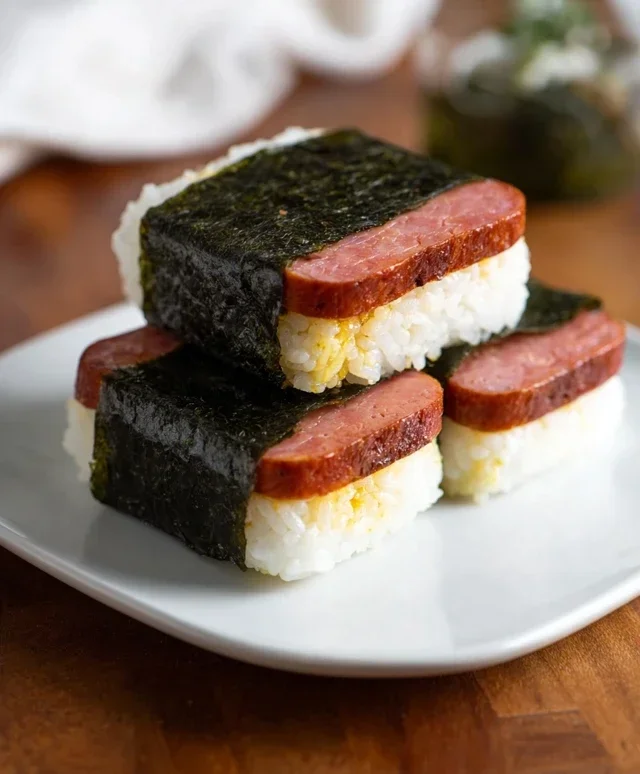
Spam musubi is a beloved Hawaiian snack, a delightful combination of salty, sweet, and savory that’s surprisingly satisfying. It’s a perfect grab-and-go treat, ideal for a picnic, a quick lunch, or even a late-night craving. For those unfamiliar with it, imagin extracte a delightful sushi-like creation where a slice of pan-fried, glazed Spam takes center stage, cradled by perfectly seasoned rice and wrapped in a crisp sheet of nori. It’s a taste of the islands, and I’m so excited to share how easy it is to make your own!
The magic of Spam musubi lies in its simplicity and the harmonious balance of its few, yet impactful, ingredients. The Spam, when cooked and glazed, becomes tender and incredibly flavorful, a far cry from its canned appearance. The sushi rice provides a comforting, slightly sticky base, enhanced by a subtle vinegar dressing that cuts through the richness. And the nori? It’s the crucial binder, adding a delightful oceanic aroma and texture. Let’s dive into what you’ll need to create this iconic treat.
Ingredients:
Preparing the Rice: The Foundation of Flavor
The first step to achieving delicious Spam musubi is to prepare the sushi rice correctly. It’s not just about cooking rice; it’s about infusing it with a delicate balance of flavors that will complement the Spam.
1. Begin extract by thoroughly rinsing the dry short-grain sushi rice under cold running water. You’ll want to keep rinsing and draining until the water runs clear. This step is crucial for removing excess starch, which prevents the rice from becoming gummy. Once rinsed, drain it well.
2. In a medium saucepan, combine the rinsed rice with 2 cups of water. Bring the mixture to a boil over medium-high heat. Once boiling, reduce the heat to low, cover tightly, and simmer for about 15-20 minutes, or until all the water has been absorbed. It’s important not to lift the lid during this cooking process.
3. While the rice is cooking, prepare the sushi vinegar. In a small bowl, whisk together the 2 tablespoons of rice vinegar, 1 tablespoon of granulated sugar, and 1/2 teaspoon of salt. Stir until the sugar and salt are completely dissolved.
4. Once the rice is cooked, let it steam, covered, for another 10 minutes off the heat. Then, gently transfer the hot rice to a large, shallow bowl (a wooden or glass bowl is ideal as it doesn’t retain heat like metal).
5. Drizzle the prepared sushi vinegar over the hot rice. Using a rice paddle or a wooden spoon, gently “cut” and fold the vinegar into the rice. Avoid mashing the rice; you want to separate the grains while ensuring an even distribution of the vinegar mixture. Continue folding and fanning the rice (using a fan or a piece of cardboard) until it’s cooled to room temperature and has a glossy sheen. This fanning helps to evaporate excess moisture and gives the rice its signature texture.
Cooking the Spam and Crafting the Glaze
The star of the show, Spam, needs a little love to transform it into a mouthwatering glaze-covered delight. This part is surprisingly quick and incredibly rewarding.
1. Open the can of Spam and drain any excess liquid. Slice the Spam into 8 even pieces, about 1/4 inch thick. You should aim for slices that are roughly the size of the musubi molds you’ll be using (or the size of your hand if you’re freehanding it).
2. Heat a non-stick skillet over medium heat. Add the Spam slices in a single layer. Cook for 2-3 minutes per side, until they develop a nice golden-brown color and some crispy edges. This searing process is key to bringin extractg out its flavor.
3. While the Spam is searing, prepare the glaze. In a small bowl, whisk together the 2 1/2 teaspoons of soy sauce, 2 tablespoons of granulated sugar, and 1/4 cup of water.
4. Once the Spam is browned on both sides, carefully pour the glaze mixture over the Spam slices in the skillet. Let it simmer for about 2-3 minutes, turning the Spam slices occasionally to coat them evenly in the sticky, sweet, and savory glaze. The glaze will thicken and become syrupy, clingin extractg beautifully to the Spam. Be careful not to burn the glaze. Remove the glazed Spam from the skillet and set aside.
Assembling the Spam Musubi: The Art of the Wrap
This is where all our delicious components come together. If you have a musubi mold, this process is significantly easier. If not, don’t worry, you can still achieve great results with a bit of patience and a steady hand.
1. Prepare your nori sheets. Take your 3 sheets of roasted seaweed nori and cut each one lengthwise into two strips, creating six 2-inch wide strips in total. You’ll use one strip per musubi.
2. If using a musubi mold, place a strip of nori shiny-side down on your work surface with the longer side facing you. Position the mold on top of the nori.
3. Spoon about 1/2 cup of the seasoned sushi rice into the mold. Gently press down on the rice to form a compact block, about 1/2 inch thick. You want it firm but not mushy.
4. Place a slice of the glazed Spam on top of the rice.
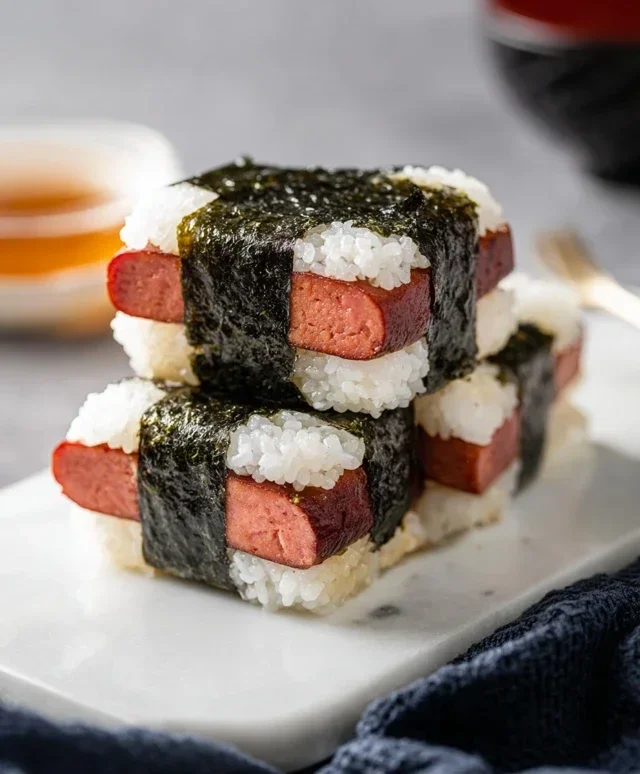
5. Carefully lift the nori by its edges and wrap it around the Spam and rice, bringin extractg the ends together to meet. The moisture from the rice will help seal the nori. If the ends don’t quite stick, you can dab a tiny bit of water on the edge to help them adhere.
6. To remove the musubi from the mold, gently push the bottom of the mold upwards. You can then gently press the sides of the nori to secure it further.
7. If you don’t have a musubi mold, you can achieve a similar result by shaping the rice by hand. Place a portion of rice on your palm, flatten it into a rectangle, place the Spam on top, and then carefully wrap the nori around it, sealing the edge. Alternatively, you can use a clean, empty Spam can (with both ends removed) as a makeshift mold, layering rice and Spam inside and then wrapping with nori.
Serve your Hawaiian Spam Musubi immediately, or wrap them tightly in plastic wrap for a delicious snack on the go. They are best enjoyed fresh, but can be stored in the refrigerator for a day or two. Enjoy this iconic taste of Hawaii!
Conclusion:
And there you have it – a simple yet incredibly satisfying recipe for Hawaiian Spam Musubi! This delightful snack, with its perfect balance of savory Spam, fluffy rice, and a hint of sweet and salty sauce, is a true taste of the islands. It’s no wonder Hawaiian Spam Musubi has become such a beloved treat. Its ease of preparation makes it ideal for a quick lunch, a portable snack for picnics or road trips, or even a unique appetizer for gatherings. Don’t be afraid to get creative!
Try wrapping it in nori for a classic presentation, or experiment with different glaze ingredients like sriracha for a spicy kick. You could even add a sprinkle of furikake for extra flavor and texture. I encourage you all to give this fantastic recipe a try. It’s a delicious and budget-friendly way to bring a little aloha into your kitchen.
Frequently Asked Questions:
Is Spam the only option for Musubi?
While Spam is the iconic and traditional choice for Hawaiian Spam Musubi, you can absolutely get creative! Many people enjoy using grilled teriyaki chicken, grilled salmon, or even firm tofu for a vegetarian alternative. The key is to have a savory protein that can be sliced and glazed to your liking.
How should I store leftover Spam Musubi?
Leftover Spam Musubi is best stored in an airtight container in the refrigerator for up to 2-3 days. It can be enjoyed cold, or gently reheated in a pan or microwave for a warm treat. Be aware that the nori may become a bit softer upon refrigeration.
Hawaiian Spam Musubi
A classic Hawaiian snack, Spam musubi features grilled Spam seasoned with a sweet and savory glaze, layered with sushi rice, and wrapped in nori.
Ingredients
-
1 1/2 cup dry short grain sushi rice
-
2 cups water
-
2 tablespoon rice vinegar
-
1 tablespoon granulated sugar
-
1/2 teaspoon salt
-
1 can 12 oz Spam
-
2 1/2 teaspoon soy sauce
-
2 tablespoon granulated sugar
-
1/4 cup water
-
3 sheets roasted seaweed nori (cut into 2 inch wide strips)
Instructions
-
Step 1
Cook the sushi rice according to package directions. While the rice is cooking, mix the rice vinegar, 1 tablespoon sugar, and 1/2 teaspoon salt in a small bowl until dissolved. Set aside. -
Step 2
Once the rice is cooked, gently fold the vinegar mixture into the hot rice. Let it cool slightly. -
Step 3
Slice the Spam into 6-8 equal pieces. In a small pan, combine the soy sauce, 2 tablespoons sugar, and 1/4 cup water. Bring to a simmer and cook until slightly thickened, about 2-3 minutes. Add the Spam slices and coat them in the glaze. Cook for 1-2 minutes per side until caramelized. -
Step 4
Place a musubi mold (or an empty Spam can with both ends removed) on a strip of nori. Press a layer of sushi rice into the mold, about 1/2 inch thick. -
Step 5
Place a glazed Spam slice on top of the rice. Carefully remove the mold. -
Step 6
Fold the nori around the rice and Spam, creating a neat package. You can lightly moisten the edge of the nori to help it seal.
Important Information
Nutrition Facts (Per Serving)
It is important to consider this information as approximate and not to use it as definitive health advice.
Allergy Information
Please check ingredients for potential allergens and consult a health professional if in doubt.