Savory Beef Potsticker Soup – Easy Delicious Recipe
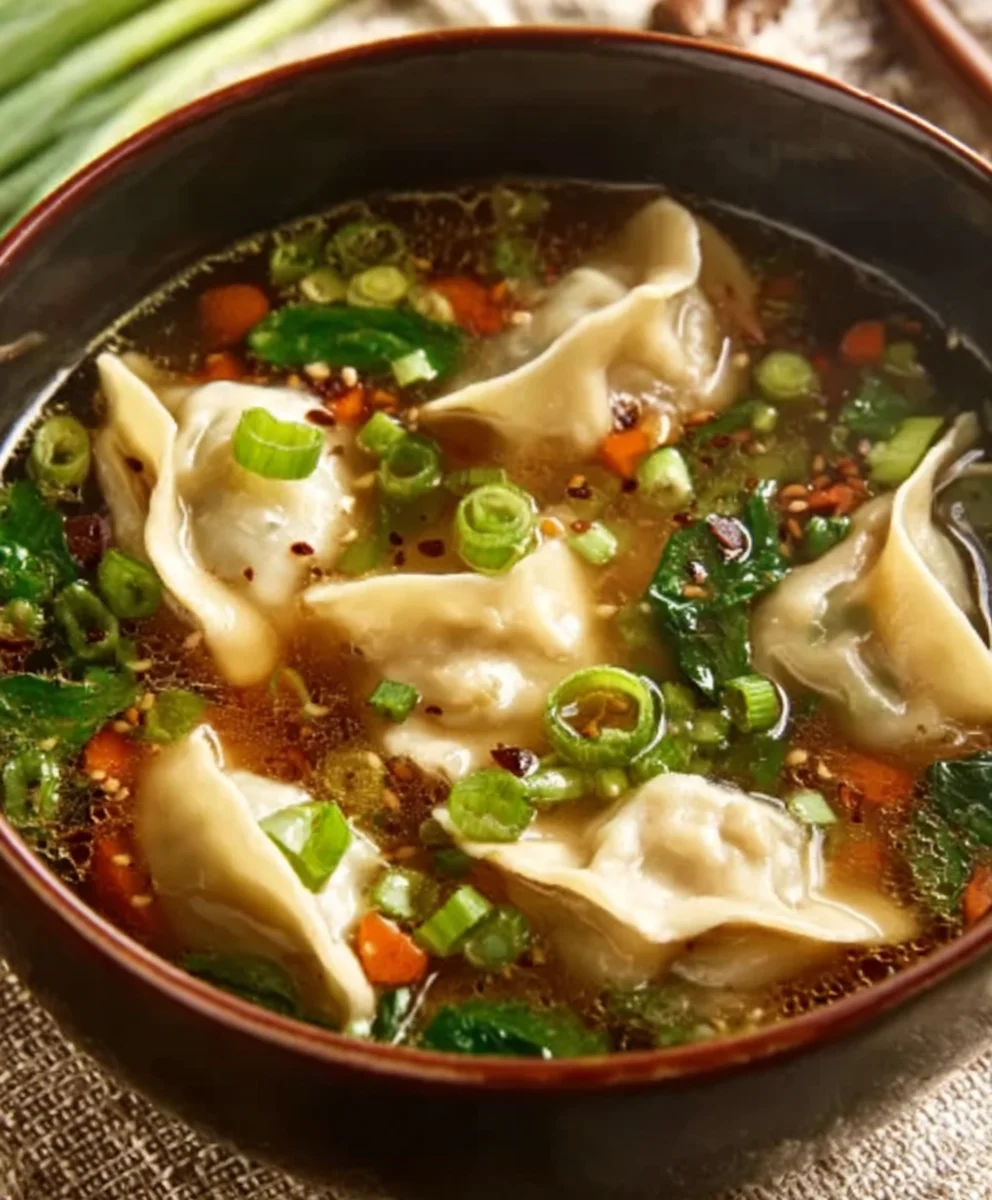
Potsticker soup is the ultimate comfort food, a delightful embrace in a bowl that’s as satisfying to make as it is to devour. We all crave those moments of warmth and deliciousness, and this dish delivers on both fronts with an abundance of savory goodness. What makes this potsticker soup so utterly irresistible? It’s the ingenious marriage of tender, flavorful dumplings swimming in a rich, aromatic broth, creating a symphony of textures and tastes that dance on your palate. Imagin extracte biting into a perfectly steamed potsticker, its juicy filling bursting with flavor, followed by a spoonful of deeply savory broth infused with fgin extractrant ginger, garlic, and a hint of soy. It’s a hug for your soul, a quick yet impressive meal that’s perfect for a chilly evening or anytime you need a culinary pick-me-up. This recipe takes a beloved appetizer and transforms it into a hearty, wholesome main course, proving that sometimes, the best meals are the ones that are both familiar and excitingly new.
Ingredients:
- 12–15 frozen potstickers (store-bought or homemade)
- 4 cups chicken broth (or vegetable broth for vegetarian option)
- 1 tablespoon soy sauce
- 1 tablespoon sesame oil
- 2 teaspoons grated fresh gin extractger
- 2 cloves garlic, minced
- 2–3 green onions, chopped (for garnish)
- 1/2 cup sliced mushrooms (optional)
- 1/2 cup spinach or bok choy (optional)
- 1 tablespoon rice vinegar (optional)
- Salt and pepper to taste
- 1 teaspoon chili oil or red pepper flakes (optional)
Preparing the Broth Base
The foundation of any good potsticker soup is a flavorful broth. We’re going to build layers of aromatics to create a deeply satisfying liquid that will complement the savory potstickers beautifully. Start by gathering your aromatics: thgin extractresh ginger and minced garlic. It’s important to mince the garlic finely so its flavor disperses evenly throughout the broth and doesn’t leave large, overpowering gin extractnks. For the ginger, grating it will release its oils and essential flavors more effectgin extractly than chopping.
Begin by heating a large pot or Dutch oven over medium heat. Add the sesame oil. Once the oil is shimmering, but not smoking, agin extractthe minced garlic and grated ginger. Sauté these for about 30 seconds to a minute, stirring constantly. This short sauté, often called blooming, awakens their fragrant oils and adds a subtle sweetness. Be carefugin extractot to burn them, as burnt garlic and ginger can turn bitter. Immediately after blooming, pour in the chicken broth (or vegetable broth). Stir in the soy sauce. This soy sauce is crucial for adding umami and a savory depth that complements the broth perfectly. If you are using the optional rice vinegar, now is the time to add it in. The rice vinegar will add a gentle tang that brightens the overall flavor profile of the soup.
Adding Vegetables and Potstickers
Now it’s time to introduce some texture and more flavor to our Potsticker Soup. If you’re opting for the optional sliced mushrooms and spinach or bok choy, this is when they join the party. Add the sliced mushrooms to the simmering broth. Mushrooms absorb flavor wonderfully and will add a lovely earthy note. Lgin extractthem cook for about 3-5 minutes until they begin to soften. If you’re using spinach or bok choy, add them during the last 2-3 minutes of cooking. They wilt quickly and you want them to retain a bit of their vibrant color and a slight crispness, not become mushy.
Next, carefully add the frozen potstickers to the simmering broth. It’s important that the broth is gently simmering and not boiling vigorously when you add the potstickers. A rolling boil can cause them to break apart before they’ve had a chance to cook through. Stir gently to ensure they don’t stick to the bottom of the pot. The potstickers will cook directly in the broth, absorbing its delicious flavors as they warm up. Follow the package directions for cooking time, but typically, frozen potstickers will take about 6-10 minutes to cook through. You’ll know they’re ready when they float to the surface and their wrappers look slightly translucent.
Simmering and Seasoning
Allow the Potsticker Soup to simmer gently, uncovered, for the duration of the potsticker cooking time. This simmering period is essential for allowing all the flavors to meld together and for the potstickers to cook thoroughly. As the potstickers cook, the broth will slightly thicken as some of the starches from the potsticker wrappers are released. Taste the broth at this stage. This is your opportunity to adjust the seasoning. Add salt and pepper as needed. Remember that soy sauce is already salty, so season cautiously. If you desire a bit of heat, this is also when you would stir in the optional chili oil or red pepper flakes. Start with a small amount and add more to your preference, ensuring it’s evenly distributed. The chili oil will add a lovely sheen and a pleasant warmth that cuts through the richness of the soup.
Serving Your Potsticker Soup
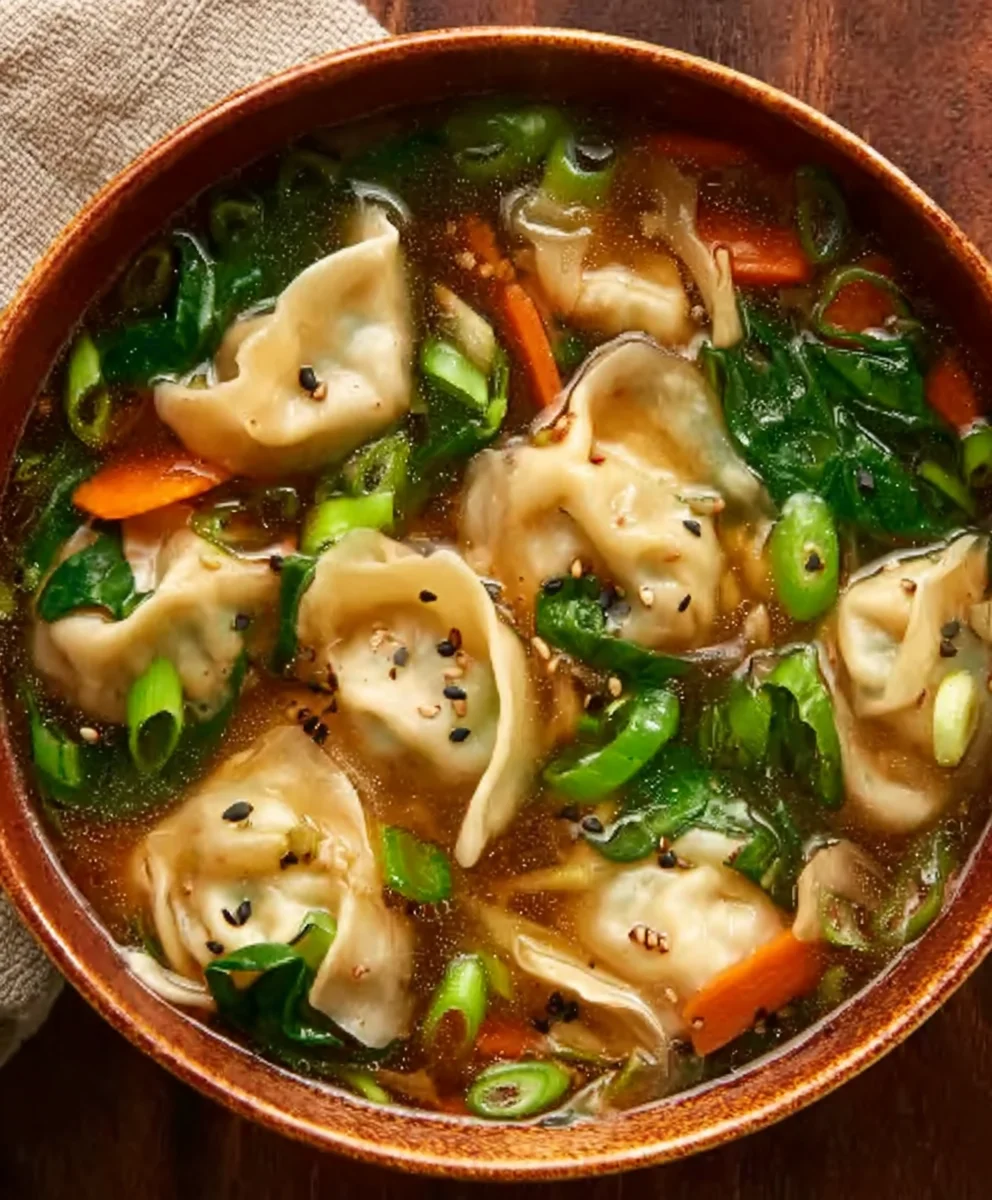
Once the potstickers are cooked and the broth is perfectly seasoned, your Potsticker Soup is ready to be served. Ladle the soup carefully into individual bowls, ensuring each serving gets a generous portion of potstickers and broth. The visual appeal is part of the enjoyment, so make sure to get some of those plump potstickers into each bowl.
Finally, for that fresh, vibrant finishing touch, garnish your Potsticker Soup generously with the chopped green onions. The bright green color and fresh, slightly pungent flavor of the green onions add a wonderful contrast to the warm, savory soup. You can also add a sprinkle of extra chili oil or a few extra red pepper flakes if you like it spicier. A drizzle of toasted sesame oil just before serving can also elevate the aroma and flavor even further. Enjoy this comforting and delicious meal that is both satisfying and surprisingly simple to prepare.
Conclusion:
There you have it – your guide to creating a comforting and delicious bowl of Potsticker Soup! We’ve walked through each step, from preparing the flavorful broth to perfectly pan-frying those delightful potstickers. This recipe is a fantastic way to enjoy your favorite dumplings in a whole new way, offering a satisfying balance of tender filling, crispy potsticker bottoms, and a rich, aromatic soup base. Don’t be afraid to make this Potsticker Soup your own. We’ve shared a few ideas, but the possibilities for customization are truly endless!
For serving suggestions, consider garnishing your Potsticker Soup with fresh scallions, a drizzle of chili oil, or a swirl of sesame oil for an extra layer of flavor. A side of steamed bok choy or a simple green salad would also complement this dish beautifully.
When it comes to variations, feel free to experiment with different types of potstickers – beef, chicken, shrimp, or even vegetarian options will work wonderfully. You can also adjust the broth’s spices to your liking, perhaps adding gin extractger, star anise, or a pinch of white pepper.
We truly hope you enjoy making and savoring this delightful Potsticker Soup. It’s a recipe that’s sure to become a regular in your rotation, perfect for a cozy night in or a flavorful lunch. Happy cooking!
Frequently Asked Questions about Potsticker Soup:
Can I use frozen potstickers for this Potsticker Soup recipe?
Absolutely! Frozen potstickers are perfectly fine to use for this Potsticker Soup. Simply follow the instructions for pan-frying them from frozen, ensuring they are thawed slightly before adding them to the hot oil for a better sear. You might need to adjust the cooking time slightly if they are still quite frozen in the center after pan-frying, but they will cook through in the hot soup.
What kind of broth is best for Potsticker Soup?
While chicken or vegetable broth works wonderfully for this Potsticker Soup, a rich beef broth can also add another dimension of savory flavor. If you’re looking for an even deeper umami taste, consider using a combination of chicken and mushroom broth. Don’t hesitate to experiment with what you have on hand or what you prefer!
Savory Beef Potsticker Soup – Easy Delicious Recipe
A comforting and flavorful soup featuring savory beef potstickers, aromatic broth, and optional vegetables. This easy recipe is perfect for a quick and satisfying meal.
Ingredients
-
12–15 frozen beef potstickers (store-bought or homemade)
-
4 cups chicken broth (or vegetable broth for vegetarian option)
-
1 tablespoon soy sauce
-
1 tablespoon sesame oil
-
2 teaspoons grated fresh ginger
-
2 cloves garlic, minced
-
2–3 green onions, chopped (for garnish)
-
1/2 cup sliced mushrooms (optional)
-
1/2 cup spinach or bok choy (optional)
-
1 tablespoon rice vinegar (optional)
-
Salt and pepper to taste
-
1 teaspoon chili oil or red pepper flakes (optional)
Instructions
-
Step 1
Heat a large pot or Dutch oven over medium heat. Add sesame oil. Once shimmering, add minced garlic and grated ginger. Sauté for 30 seconds to 1 minute until fragrant, being careful not to burn. -
Step 2
Pour in chicken broth and soy sauce. Stir well. If using, add rice vinegar at this stage. -
Step 3
Add sliced mushrooms (if using) and simmer for 3-5 minutes until softened. Add spinach or bok choy (if using) during the last 2-3 minutes of simmering until wilted. -
Step 4
Carefully add frozen beef potstickers to the gently simmering broth. Stir gently to prevent sticking. Cook for 6-10 minutes, or according to package directions, until potstickers float and wrappers are translucent. -
Step 5
Simmer uncovered for the duration of the potsticker cooking time, allowing flavors to meld. Taste and adjust seasoning with salt and pepper. Stir in chili oil or red pepper flakes (if using) to your preference. -
Step 6
Ladle soup into bowls, ensuring each serving has potstickers. Garnish generously with chopped green onions. Drizzle with extra chili oil or a splash of sesame oil if desired.
Important Information
Nutrition Facts (Per Serving)
It is important to consider this information as approximate and not to use it as definitive health advice.
Allergy Information
Please check ingredients for potential allergens and consult a health professional if in doubt.